Dormouse Project
Bere Peninsula Dormouse Project
The TCT was involved in overseeing a dormouse monitoring project started on the Bere peninsula in 2023.
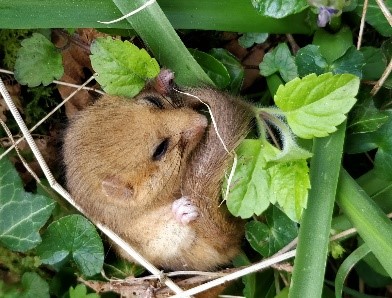
Britain’s population of the hazel dormouse has rapidly declined, so the project hoped to provide records of their presence to help protect remaining numbers. The species is rarely seen, being active at night and preferring to forage for insects, flowers, fruit and nuts in dense shrubs and the tree canopy. Bere Alston and Buckland Monachorum schools, along with Beavers, Cubs and Scouts, were all involved in the project and gained valuable knowledge about dormouse habitat, life cycle and conservation status as result.

Getting Involved
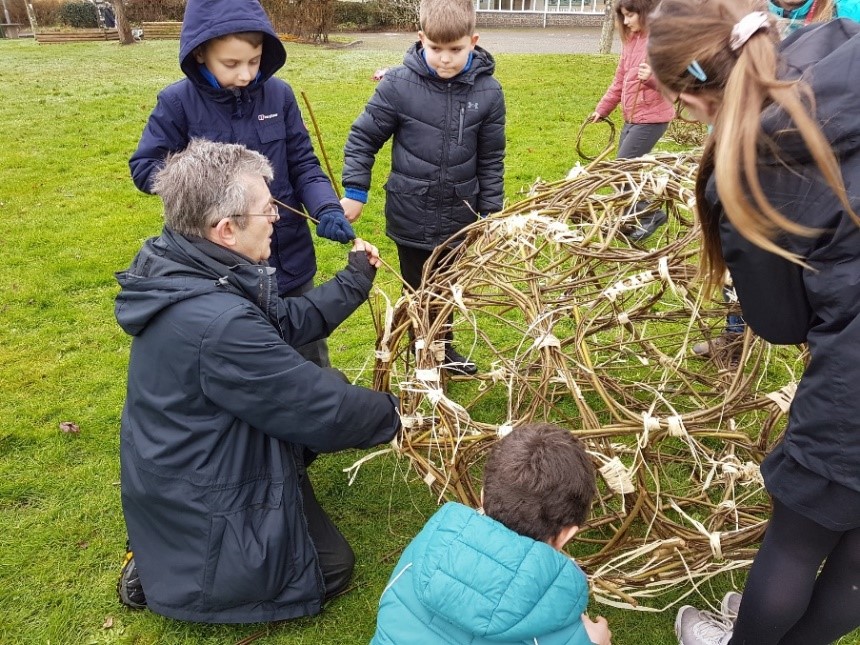
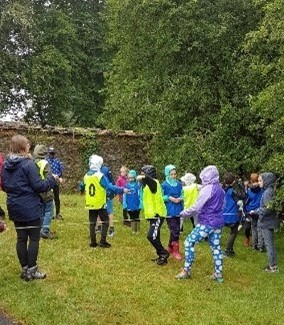
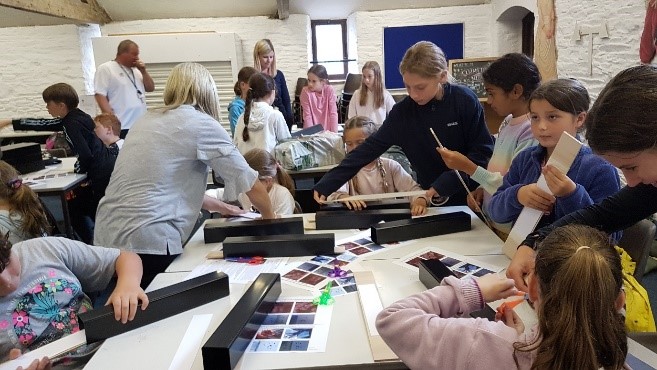
Bere Alston and Buckland Monachorum schools, along with Beavers, Cubs and Scouts, have all been involved in the project – learning about the conservation status, life cycle, and habitat requirements of the hazel dormouse, assembling footprint tunnels and helping to set up field survey sites. Additionally, the project has provided key learning activities on the importance of maintaining habitat connectivity for the dormouse and providing space for nature to support this and other species.
National Trust Buckland Abbey were key partners hosting three survey sites in the grounds (the fourth being at Bere Alston). Estate rangers and house volunteers helped with monitoring, keen to find evidence of the elusive mammal.
Project lead Jane Hart from the Tamar Valley National Landscape explained: “in 2024 we expanded our efforts by installing dormouse nest boxes, contributed via the Bere Alston Wildlife Community Group, at a number of sites in the Tamar Valley”.