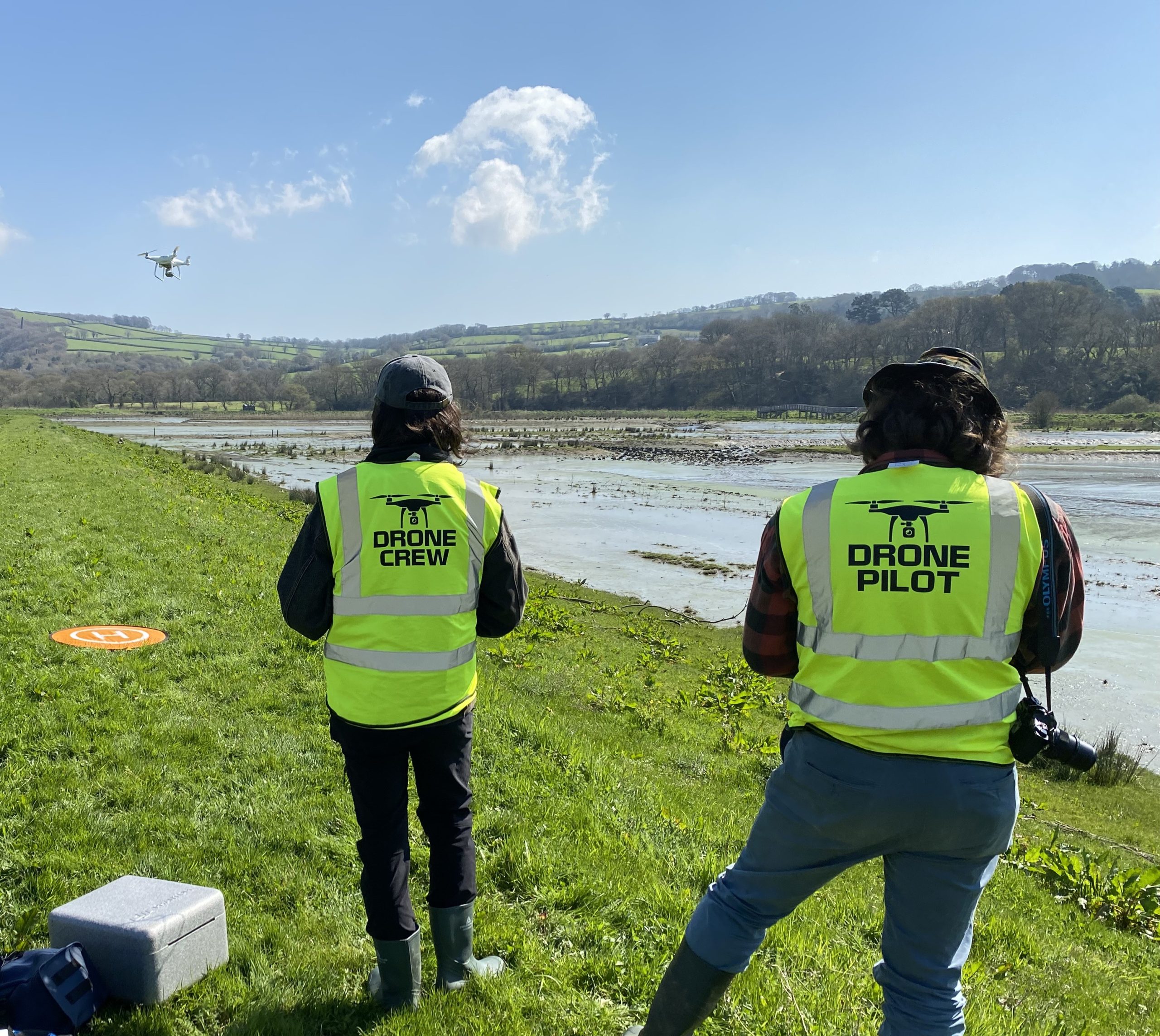
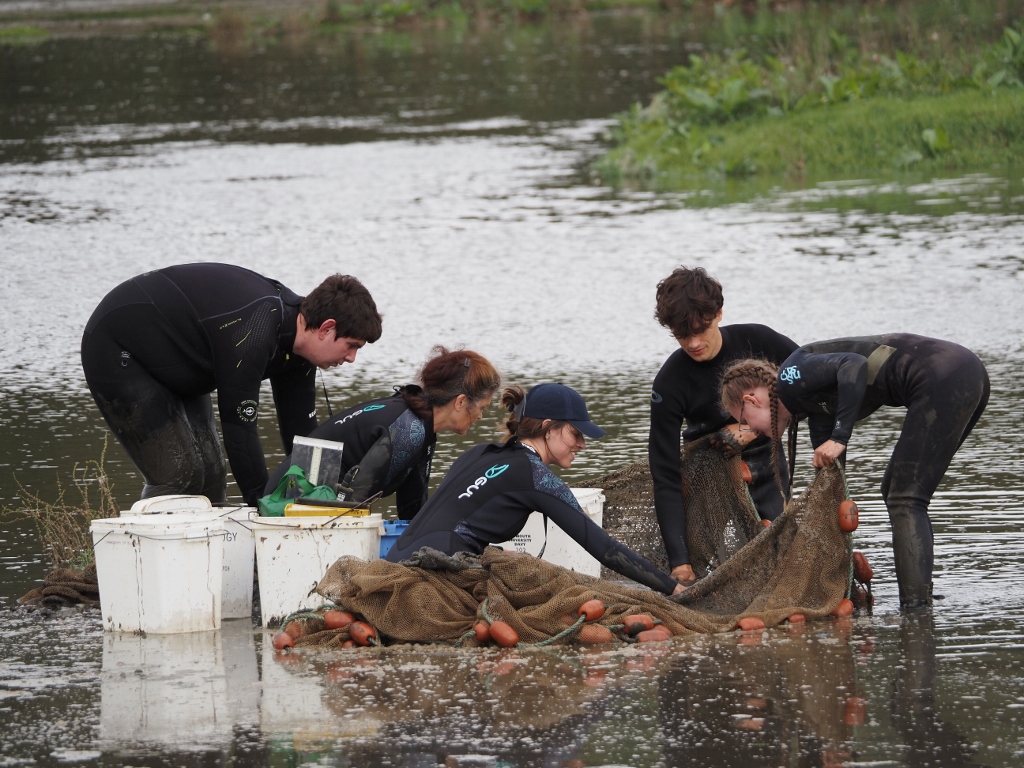
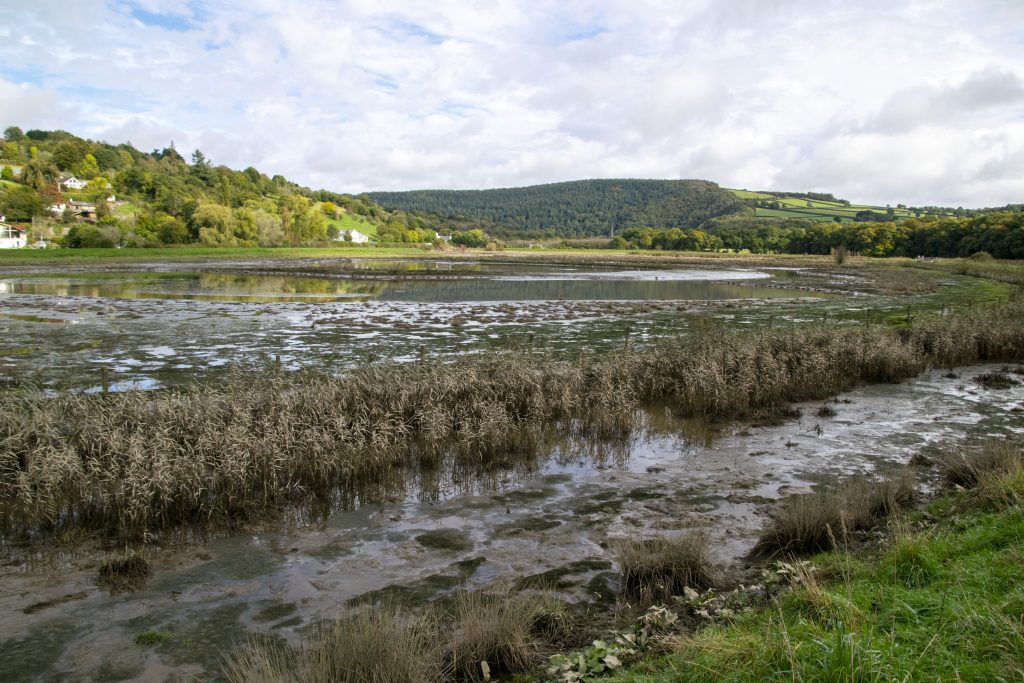
The monitoring of the Calstock wetlands includes a variety of measures and proposals including:
Monitoring development of the habitat to demonstrate ecological success
Monitoring use of the intertidal habitat by certain species
Monitoring to confirm the scheme design was appropriate, effective and that the scheme objectives were met.
Scientific research to inform other similar schemes
Organisations taking part in the monitoring of the site include:
Plymouth Marine Laboratory
Plymouth University
Companies contracted to the Environment Agency
Individuals with specific knowledge or skills
Members of the public
How could this data be used?
Calstock has presented a unique opportunity to measure changes in climate-relevant biogeochemical processes right from the initial stages of a wetland created through managed coastal realignment.
The information collected will inform Earth System models to better understand regional and global climate processes and provide a case study for measuring the effectiveness of nature-based solutions in mitigating the impacts of climate change.
This will help environmental managers and policy makers to make informed decisions based on robust scientific evidence in the design and implementation of future nature-based solutions.
The results so far
Initial results show that the new Calstock wetland is ‘cleaning’ the water that flows in and out of it by reducing nutrients.
This is important because excess nutrients from agriculture and wastewater treatment can cause blooms of microorganisms during a process known as eutrophication.
This uses up the oxygen in the water and makes it difficult for other species, including fish and other important microorganisms, to survive.
The team at PML will be closely monitoring this story and how it might affect climate-relevant processes now and into the future.
It is intended that this will be supplemented by additional monitoring utilising citizen science, visitor observations and other specialist activities.